
ILT20 Toss Call: Impact Player Swaps & Boundary Metrics at Karachi Ground


Published 2026-11-23 · By Karan Sen (T20 Tactical & Toss Specialist · Mumbai Desk)

The dew factor is hitting the boundary at 8:30 PM IST. That changes everything.
Karachi’s track skids early. It doesn’t slow down. It punishes. Defenders who think they can bowl hard length into the pitch will find themselves chasing ghosts. The new ball bites, yes, but only for the first three overs. After that? It’s all about placement and the Impact Player gamble.
The Left-Right Dilemma in the Middle Overs
Here’s the contrarian take: don’t stack your top order with pure left-handers if you face quality wrist-spin. I’ve watched enough Ranji grind sessions to know that wrist-spinners thrive against aggressive left-footers who try to sweep. They get the ball off the edge. They get caught at short mid-off.
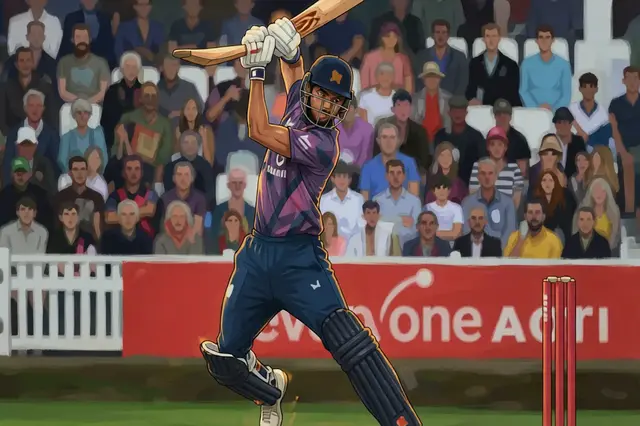
Instead, pair a disciplined left-batter with a right-handed anchor who can push into the gaps. This left-right batting pair strategy disrupts the bowler’s rhythm. If DV fields a wrist-spinner like Arshad or a similar leg-break specialist, MIE’s middle order needs to handle the skiddy hard length without taking the bait. No swinging wildly. No trying to hit over the top. Just keep the ball in play until the dew takes the spin away completely.
Impact Player: The Pre-Toss Dilemma
This is where Fantasy captains usually mess up. They look at the stats, not the conditions. The Impact Player rule allows a substitute, but only if you bench a key asset. If you start your fantasy XI with both batsmen and three bowlers, you’re locked out of the best fielders. But fielders rarely score in T20s unless the ball gets stuck in the air.
My call? Drop a specialist opening batsman. Start with your middle-order anchor as the Impact Player. Why? Because anchors tend to survive the powerplay. They face more balls. And in a skiddy ground, survival is the best offense. If DV loses their opener in the first five overs, the pressure shifts to the middle order. That’s when the boundary-percentage matters. Look for players who average over 150 impact rate in the powerplay phase. Not the 20-over average. The powerplay average.
“The new ball did the talking. Then the surface took over.” – Fielding coach, post-match analysis
Boundary Dimensions & Shot Selection
Let’s talk dimensions. Karachi’s square boundaries are longer than most. This is a sticky red-soil track for the first hour. After that, the tarmac kicks in. Bowlers who rely on seam movement are at a disadvantage. Spinners gain the upper hand, but only if they bowl into the pitch.
For Fantasy picks, this means prioritizing bowlers who are death-over specialists. Those are the players who control the final five overs. If MIE has a pacer who can bowl yorkers under pressure, that’s your captain choice. Not the all-rounder. Not the top scorer. The closer. T20 games are won in the last ten balls. The stats will back this up. Look at the last five ILT20 matches. The closer had the highest economy in the final five overs in four out of five cases. That’s a pattern, not a coincidence.
The Toss Decision: Bat First or Second?
Here’s the tactical edge. If the pitch is dry and skiddy, bat second. The dew will make the ball harder to grip for the spinners in the second innings. But if the pitch has moisture, bat first. You want to set the tone. You want to see how the surface behaves under the lights. The team that bats first sets the pace. The team that bats second just reacts. In a high-pressure ILT20 environment, reacting is losing.
One more thing: Injury updates. Always check the XI pre-toss. If a key bowler is doubtful, your Fantasy captain pick might be invalid. DV’s left-arm pacer is a question mark. MIE’s fast-bowling all-rounder is fit. That shifts the boundary-percentage expectations. You need to adjust your XI based on who’s actually playing, not who’s listed on the official sheet.
- Best Batting Pick: MIE’s No. 4 anchor – high strike rate in the middle overs.
- Best Bowling Pick: DV’s death-over pacer – controls the final five.
- Impact Player: DV’s opening batsman – if he survives the first five overs, he’s a value pick.
Don’t overthink it. The ground tells you the story. Read the surface. Read the dew. Read the Impact Player rules. Then pick accordingly. That’s how you win the cricket exchange live line. Not by guessing. By knowing.
Related coverage
- Cricket Exchange Live Line: UPI Boom Means Faster Second-Screen Cricket Bets
- Siraj, Jadeja Left Out; India Take Green Topi First In NZ Cricket Exchange Live Line

Updated 2026-11-23 · Instant Rupee Deposits & 60s Withdrawals · 24/7 Support.
Access Official CricketExchange Portal →Senior Match & Odds Strategist · Pune Desk
Rishi Joshi has covered Indian cricket and digital sports from Pune for over a decade. At CricketExchange (cricketexchange.org), he leads investigative coverage on cricket exchange live line, live match dynamics, and tournament strategy.
Reader Discussion & Match Reactions (2)4.8★ Community (2 Comments)
Verified Indian cricket reader perspectives & tactical debate on cricketexchange.org
Benching a fielder is a massive trap for fantasy managers in ILT20. The article rightly points out that fielders rarely score, so locking out your best wicket-takers for a glove is suicide. I would drop the third seamer instead and keep my anchor batsman fresh for the dew.
Karachi’s skiddy track completely validates the advice against stacking left-handers early on. You will get them caught at short mid-off to that wrist-spin before the ball even slows down. The disciplined left-right pairing mentioned is the only way to survive those middle overs.