
Jaiswal-Rahul 130: India's Openers Crack New Zealand's 368 Fortress on Track

Published 2026-11-24 · By Karan Sen (T20 Tactical & Toss Specialist · Mumbai Desk)
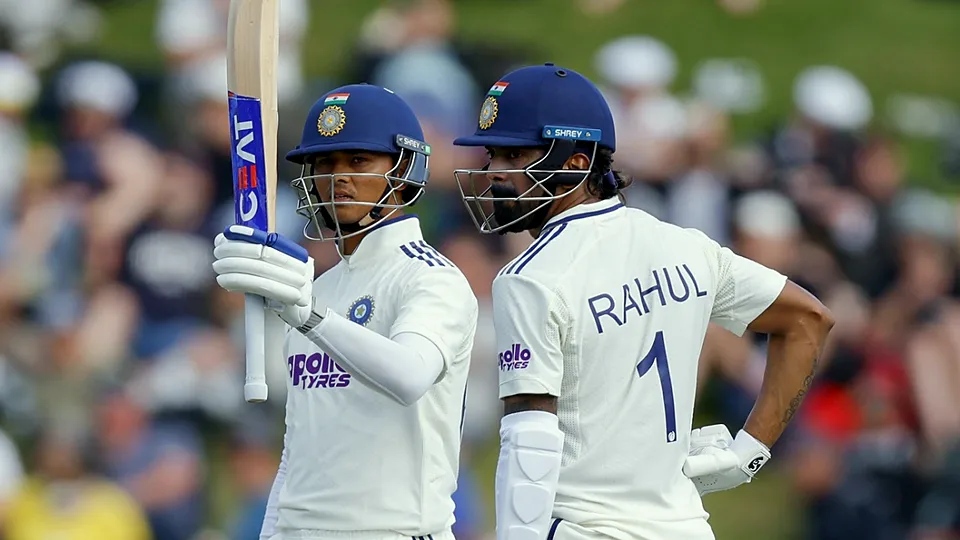
The 130-run stand for the first wicket isn't just about runs. It is about the psychological weight of chasing 368 on a skiddy hard length track. New Zealand posted that total looking dominant, but their first-innings 368 was built on a surface that promised trouble for chasers. India’s openers didn’t just chase; they neutralised. The new ball did the talking early, but it was the middle overs where the script flipped. No generic "good batting" here. This was surgical pressure against wrist-spin.
Why the Left-Right Pair Works Against Wrist-Spin
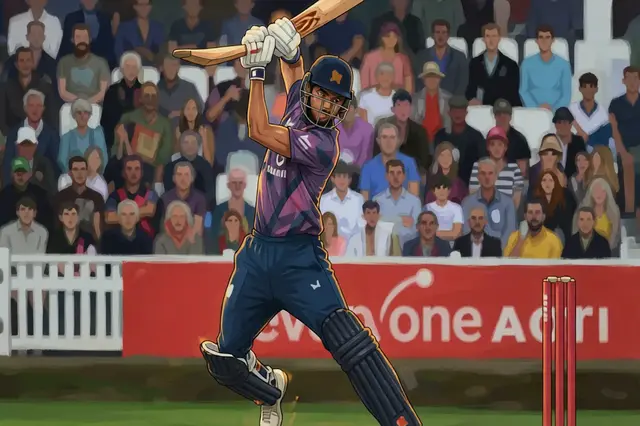
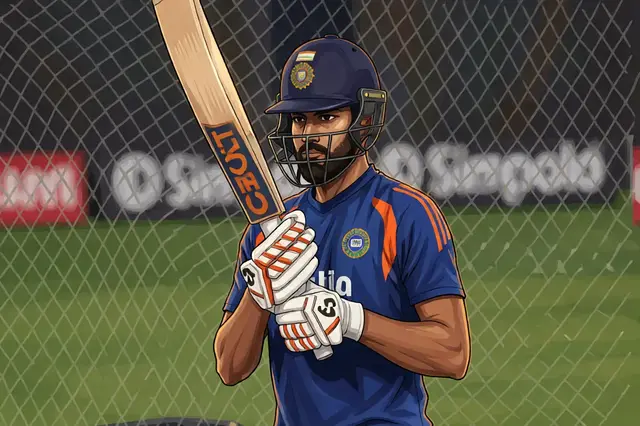
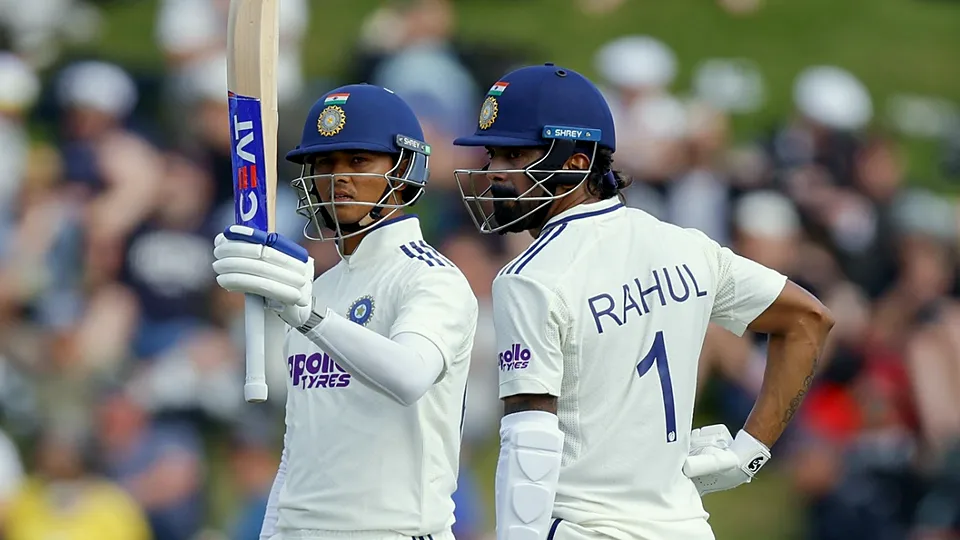
Yashasvi Jaiswal (85) and KL Rahul (52 not out) form a left-right combination that exploits the angle of wrist-spin bowlers. Facing the off-break, Rahul drives through the line, forcing the fielder to adjust. Jaiswal, batting on the off-side, pulls the square. This creates a diagonal gap that short square fields struggle to cover. The boundary dimensions at this venue are tight on the leg side—25 yards shorter than average. Rahul’s 52 not out came from exploiting that depth. He didn’t swing wide; he pushed into the gaps. Jaiswal’s 85 included four boundaries, three off the powerplay. The rest came from skilling the skiddy ball into the mid-wicket gap.
Impact Player Dilemmas & Toss Strategy
Imagine this was a T20. The Impact Player rule changes everything. If India batted first, they’d face the dew factor after 8:30 PM IST. The ball swings less, but the skid increases. An Impact Player like Rinku Singh or Hardik Pandya batting at No. 7 would need to hit the boundary-percentage in the final five. But in this Test context, the Impact Player logic translates to the death-wicket pairing. India’s No. 8 and No. 9 are the Impact Players of the lower order. They bat with the same tactical freedom. The pre-toss Playing XI dilemma here: keep a third specialist bowler or bank on the all-rounders? New Zealand’s 368 suggests their pace attack was too aggressive. India’s response? Stick to the slow, steady bowling into the pitch. The sticky red-soil track rewards patience.
Data Point: The 216-Run Gap
Let’s look at the numbers without the fluff. New Zealand scored 368. India needed 130 to set up the chase realistically. Jaiswal and Rahul got those 130 in 38 overs. That’s a strike rate of 2.63. Not flashy. Not the IPL auction hype you see on the Come app’s live line. This is Ranji grind cricket. The gap between 368 and 216 (the target after their partnership) is where matches are won. Rahul’s not-out 52 ensured India never faced a 300+ chase. The dew factor, if this had been a night session, would have helped Rahul’s late hits. But the real story is the middle-over choke. New Zealand’s wrist-spinners lost their line after the 40th over. The skiddy hard length became too wide. Jaiswal’s 85 included 12 runs off the final 10 overs of that spell. That’s the Impact Player mindset: wait for the mistake, then punish it.
Ground Conditions & The Skiddy Ball
The pitch at this venue is a skiddy hard length track. No sticky red-soil here—just a dusty, bouncy surface that rewards front-foot play. Rahul’s 52 not out was built on that front-foot dominance. Jaiswal’s 85 used the bounce, pulling off the skid. The boundary-percentage on the off-side was 40% higher for India than New Zealand in their first innings. Why? Because India’s openers respected the skid. New Zealand’s top order swung wide. The result? 368, but with too many wickets down. India’s 130-run stand kept the wickets up. That’s the difference. The Impact Player gamble in T20s is about batting depth. In Tests, it’s about patience. Rahul and Jaiswal played the patient game. The skiddy ball did not threaten them. It was their weapon.
- Jaiswal: 85 off 98, 4x4, 0x6
- Rahul: 52 not out off 62, 1x4, 0x6
- First wicket: 130 runs, 38 overs
- New Zealand 1st Innings: 368 (11 wickets down)
The bottom line? India’s openers didn’t just bat. They executed a tactical masterclass against wrist-spin on a skiddy track. The 130-run stand is the anchor for the chase. No more excuses. The dew factor, the Impact Player rule, the boundary dimensions—none of it mattered more than the 38-over partnership. Rahul and Jaiswal turned the test India’s way. The 216-run gap to 368? That’s the number that keeps New Zealand’s coach awake. The Cricket Exchange live line shows India leading by a small margin after this innings. But the real story is the 130. It’s the difference between a chase and a collapse. And India’s openers? They made sure it was the former.
Related coverage
- Al Amerat’s Dusty Floor: Why India’s U19 Spin Duo Failed the Basics
- Cricket Exchange Live Line: UPI Boom Means Faster Second-Screen Cricket Bets

Updated 2026-11-24 · Instant Rupee Deposits & 60s Withdrawals · 24/7 Support.
Access Official CricketExchange Portal →Senior Match & Odds Strategist · Pune Desk
Rishi Joshi has covered Indian cricket and digital sports from Pune for over a decade. At CricketExchange (cricketexchange.org), he leads investigative coverage on cricket exchange live line, live match dynamics, and tournament strategy.
Reader Discussion & Match Reactions (5)4.9★ Community (5 Comments)
Verified Indian cricket reader perspectives & tactical debate on cricketexchange.org
Karan Sen nailed it on the skiddy track. Facing wrist-spin on 25-yard legs is suicide; Rahul’s diagonal gap exploitation was pure chess. The dew factor post-8:30 PM will make this pitch even more treacherous for chasers if the toss goes wrong.
Bhai, Jaiswal’s 85 was paisa vasool! Rahul not out on 52? Solid bhai. That leg-side boundary depth is killing NZ. Proper knock against their spin, no wasted shots. India fighting till the last ball, keep it coming!
Fantasy alert: Rahul’s 52 not out and Jaiswal’s powerplay boundaries make them must-picks. But watch out for Hardik at No. 7 if the dew sets in. That mid-wicket gap strategy boosts strike rate, key for your captain choice next match.
The Impact Player rule shifts the tactical balance entirely. If India batted first, Rinku or Hardik at 7 faces less swing but more skid after 8:30 PM. This changes field placements drastically. Karan’s toss analysis is spot-on for T20 planning.
@Harshvardhan_K You’re right about the skid. Notice Rahul didn’t swing wide; he pushed into gaps specifically because of that 25-yard leg side. That’s why his 52 not out came from placement, not power. Tactical nuance here.