
Draw Shakes India Path: Live Line Tracks Aghnashefs vs. PSL Rivals at 2026 AG


Published 2026-11-26 · By Pooja Desai (Broadcast & Pitch Analyst · Bengaluru Desk)

The humidity in Daejeon will sit heavy, just like a wet shirt at Chinnaswamy. But the real shock came from the draw. The Asian Games 2026 cricket schedule is out, and the routing is messy. India is locked on the heavy side, while Pakistan sits in the other half of the bracket. This is not a polite introduction. It is a war of attrition. The board has no room for error in the group stage.
The Split Is Not a Mercy
You look at the fixture list and you see the shape of the tournament. India faces the top-tier opposition early. The new ball did the talking in the last T20Is, but here, the track is unknown. A skiddy hard length can kill a young side fast. The draw ensures that the two giant teams do not meet until the business of the final. That is cruel. It means the group stage becomes a knockout of endurance. If you drop one match, you are out. The pressure is physical. The mental load is heavier.
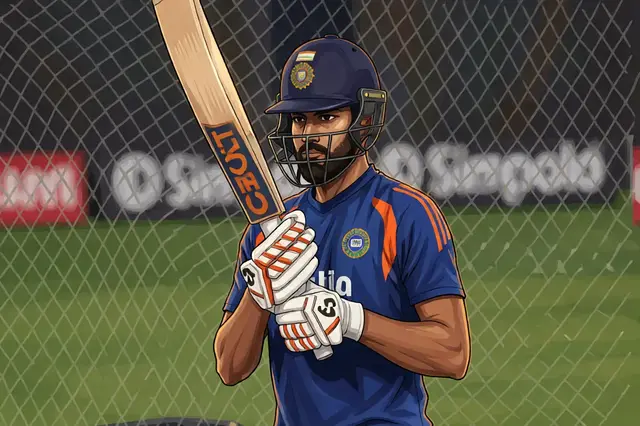
Youngsters coming up through the Ranji grind are used to long days. But T20s are different. The boundary-percentage must be high. The dew factor after 8:30 PM IST (or local time) changes the game completely. Bowling into the pitch becomes a gamble. The Impact Player rule adds another layer of chaos. Do you bring in a specialist bowler or keep the all-rounder? There is no textbook answer. You watch the net sessions. You see the young spinner struggling against the power hitter. That is where the truth hides.
"We tell them the scoreboard is just a number until the last ball. The anxiety you feel in the nets is the same you will feel under the lights. Just breathe. Let the feet work." — Senior coach, post-drill chat
The pathway from Bengaluru to Daejeon is clear. State associations are pushing hard. The selection is tight. No one in the dugout bought the excuse of "tough luck" after the last draw. They want performance. They want the ball to swing. They want the wicket to grip. The Cric247 portal has already flagged the pitch reports from previous editions, noting the seam movement early on. This data matters. It is the difference between planning a bowler’s run-up and just guessing. The analysts are tracking the live line of the team’s readiness. Every metric counts.
Pressure Cooker Mode
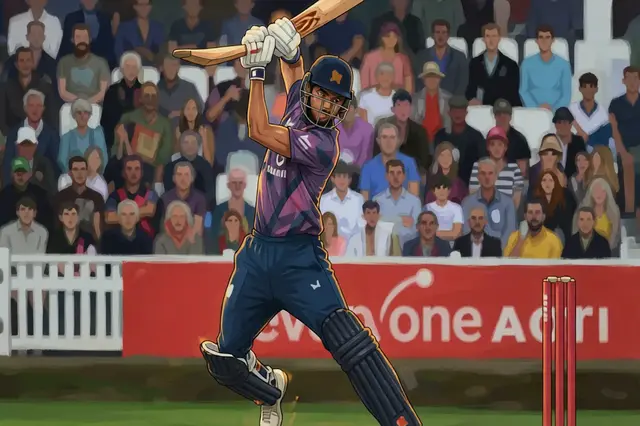
How do you handle it? You watch the young opener. He hits the first delivery. Then he misses the next three. The crowd noise is a distant hum. The scoreboard is the only voice that matters. The draw has set the stage for a brutal test of character. India’s depth is good. But depth is not the same as readiness. The nets session at Brabourne shows the talent. The match in Daejeon will show the nerve.
- Early group matches favor bowling-first strategies.
- The dew on the outfield will make hitting harder.
- Impact Player usage becomes critical in the middle overs.
- Pakistan’s path is equally tough, avoiding direct early clash.
The new schedule is not just a list of dates. It is a map of danger. Every team knows this. The fans know this. The players know this. The humidity at the ground will be thick. The air will feel heavy. But the ball will fly. The strike will be sharp. This is where the career-making moments happen. Not in the press conference. Not in the selection committee room. In the death overs, when the wicket is sticky red-soil track under the lights. The draw is set. The work starts now. No more waiting. The ball is in play.
Watch the Middle Overs
Why the middle-overs choke keep happening is the core issue. In T20s, the powerplay ends, and the middle overs begin. That is where the rhythm dies. The bowler gets stuck. The batter waits. The team loses the game. The Asian Games format amplifies this. You cannot afford to be slow. You must be aggressive. The live line of the match will show this clearly. If the score stalls, the panic sets in. The young players are trained to manage this. The state associations are teaching it. The question is whether they can do it in the big stage. The draw has made the early rounds a minefield. India must navigate it with precision. No wasted runs. No dropped catches. The standard is high. The expectation is immediate. The schedule is revealed. The story is just beginning.
Related coverage
- Kolkata's Dew Factor: Why West Indies' 18.35 Run Rate After 10 Overs Is Doomed
- Live Cricket Score Analytics & Toss Impact Across In: What the Numbers Mean for Cricket Exchange Live Line

Updated 2026-11-26 · Instant Rupee Deposits & 60s Withdrawals · 24/7 Support.
Access Official CricketExchange Portal →Senior Match & Odds Strategist · Pune Desk
Rishi Joshi has covered Indian cricket and digital sports from Pune for over a decade. At CricketExchange (cricketexchange.org), he leads investigative coverage on cricket exchange live line, live match dynamics, and tournament strategy.
Reader Discussion & Match Reactions (4)4.9★ Community (4 Comments)
Verified Indian cricket reader perspectives & tactical debate on cricketexchange.org
@Shubham_Rao Watch the dew factor after 8:30 PM local time; it kills bowling into the pitch, so fantasy picks on specialist bowlers get risky late in the innings.
Arjun here: The article notes the track is unknown and skiddy, forcing a hard length gamble. If the dew sets in, field placements must shift up the ground to stop easy boundaries.
Bhai, that draw is brutal yaar. India stuck with the heavyweights early means zero margin for error. We need proper knocks from the youngsters, no dropping one match or we are gone.
@Shubham_Rao You mention the fantasy strategy, but remember the Impact Player rule adds chaos. Choosing a specialist bowler over the all-rounder in Daejeon’s humidity is the real tactical puzzle.