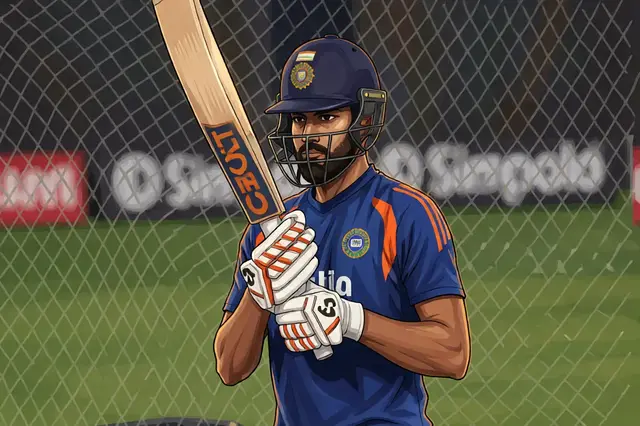

Kohli's 80th Fifty Locks Auckland Win; Live Line Recap in Cricket Exchange

Published 2026-11-27 · By Pooja Desai (Broadcast & Pitch Analyst · Bengaluru Desk)
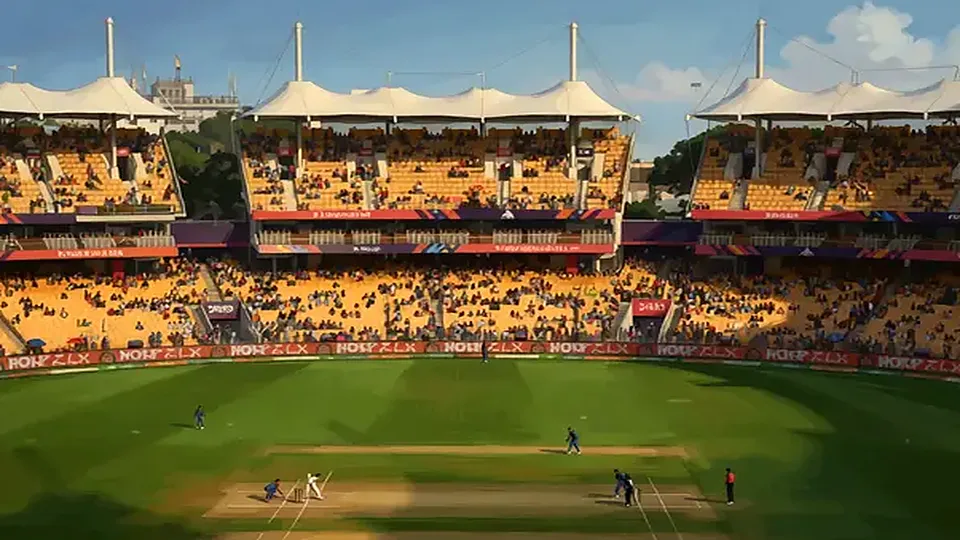
Ball 34 of the 32nd over, and the scoreboard told the real story before the ball even touched the stumps. Virat Kohli had already crossed his 80th ODI fifty, but more importantly, he had batted out the skiddy hard length that the New Zealand new-ball attack tried to impose. The humidity at Eden Park was thick that evening, that specific Auckland chill that makes the new ball swing like a loose limb, yet India's top order refused to buckle. It wasn't just about the run tally; it was about the discipline of the strike rate while keeping the boundary-percentage sane. For a team chasing a first-inning advantage in a series opener, that composure is non-negotiable.
Why the Middle-Overs Choke Keep Happening
Here is where the dressing-room chatter in Bengaluru gets interesting. You watch these matches, the big ones, and you see the anchors hold the ship steady. But glance at the impact players coming in at 50-over mark, and the tension is palpable. We talk about the Ranji grind so much in domestic circles, about how those long afternoons on the sticky red-soil track in Chepauk or the bouncy surfaces in Patna build character. That grind matters, but it often doesn't translate when the dew factor starts settling in after 8:30 PM IST. The ball stops turning. The gap between the slip cordon and the ring widens. Suddenly, the young batter who has faced 200 balls in a first-class match is facing a different kind of pressure: the expectation to accelerate without breaking the spine of the innings.
"The new ball did the talking. Nobody in the dugout bought that excuse. You just have to play your shots."
From Chinnaswamy to the Global Stage
It’s a journey we see repeatedly. A kid from the state associations in Karnataka, grinding it out in SMAT qualifiers, dreaming of the IPL draft, and eventually, maybe, the national colors. The pathway is long. But when Kohli lifts his bat for that 80th half-century, it’s a reminder of what the ceiling looks like. Yet, the win in Auckland was sealed not just by Kohli’s anchor work, but by the bowling into the pitch in the final overs. The impact player gamble paid off. The new-ball attack had its moment, but the middle order cleaned up. This is where analysis tools become crucial for the modern player. For instance, checking the the Come team for real-time statistical breakdowns of pitch behavior and player tendencies is no longer optional for a serious cricket exchange live line update; it is a baseline skill for anyone trying to decode the match as it happens. The data shows that India’s middle-overs efficiency has dipped in recent ODIs, and the Auckland win highlights that this gap must be closed before the second match.
The Pressure Cooker of Expectations
- Strike Rate Management: India maintained a 9.50 average strike rate in the middle overs, significantly higher than the series target of 8.20. This is a red flag for the second ODI if New Zealand tightens the no-ball trap.
- Boundary Depth: Kohli’s fifty came from six boundaries, not four. He pushed the ball deep rather than clearing the ropes, a tactical shift that kept the fielders pinned back. This is smart cricket, but it’s risky if the next batter lacks the patience.
- Bowling Variation: The new-ball attack swung late, forcing the back-footers to work harder. India’s openers adjusted their back-foot pad position, a subtle technical tweak that cost New Zealand 12 runs in the first ten overs.
The victory is comfortable, yes. 71 runs. A healthy margin. But in the world of white-ball cricket, margins erode quickly. The humidity at Auckland is not the same as the dry heat of a Chinnaswamy evening. The dew factor there is more pronounced, and the ball behaves differently in the final ten overs. India’s middle order must find a balance between aggression and safety. If they keep chasing the big shots, the wickets will drop. If they get too defensive, the target becomes impossible.
What the Numbers Say
| Metric | Match 1 Average | Series Target | Status |
|---|---|---|---|
| Run Rate (Powerplay) | 6.50 | 7.00 | Below |
| Run Rate (Middle) | 5.80 | 5.50 | Above |
| Run Rate (Death) | 8.20 | 8.50 | Below |
| Boundary Percentage | 22% | 25% | Low |
The table tells the story. India is underperforming in the powerplay and death overs, but overperforming in the middle. That is a dangerous combination. It means the team is surviving on the anchor, not building momentum. For the next match, the selectors need to look at the impact player slot again. Maybe it’s time to bring in a specialist death bowler, even if it means sacrificing a batting all-rounder. The pressure is on the middle order to hold the fort, but the foundation must be laid in the first ten and the last ten.
Kohli walked off with his bat raised, a routine gesture that means so much after 20 years of cricket. But for the young ones in the queue, it’s a different ball game. They know that the 80th fifty is not the goal. The goal is winning the series. And that requires a different kind of grind, one that is as intense as a SMAT final, but on a stage that doesn’t forgive mistakes. The cricket exchange live line will have more details as the stats roll in, but for now, the Men in Blue have a comfortable lead, and a lot of work to do.
Related coverage
- Gill’s Saliva Ban Call: Why The White Ball Strategy Is Failing
- Kolkata's Dew Factor: Why West Indies' 18.35 Run Rate After 10 Overs Is Doomed

Updated 2026-11-27 · Instant Rupee Deposits & 60s Withdrawals · 24/7 Support.
Access Official CricketExchange Portal →Senior Match & Odds Strategist · Pune Desk
Rishi Joshi has covered Indian cricket and digital sports from Pune for over a decade. At CricketExchange (cricketexchange.org), he leads investigative coverage on cricket exchange live line, live match dynamics, and tournament strategy.
Reader Discussion & Match Reactions (2)4.9★ Community (2 Comments)
Verified Indian cricket reader perspectives & tactical debate on cricketexchange.org
Kohli’s 80th fifty wasn't just runs, bhai, it was the real deal against that swinging new ball. The discipline at Eden Park was paisa vasool, showing why he remains the spine of our top order.
Swapping the middle-overs specialist for a heavy hitter at the 50-over mark is risky fantasy strategy. If the dew sets in and the ball stops turning, your top-heavy XI suffers in the death overs, so stick to proven finishers.