
Gill’s Saliva Ban Call: Why The White Ball Strategy Is Failing

Published 2026-11-27 · By Karan Sen (T20 Tactical & Toss Specialist · Mumbai Desk)
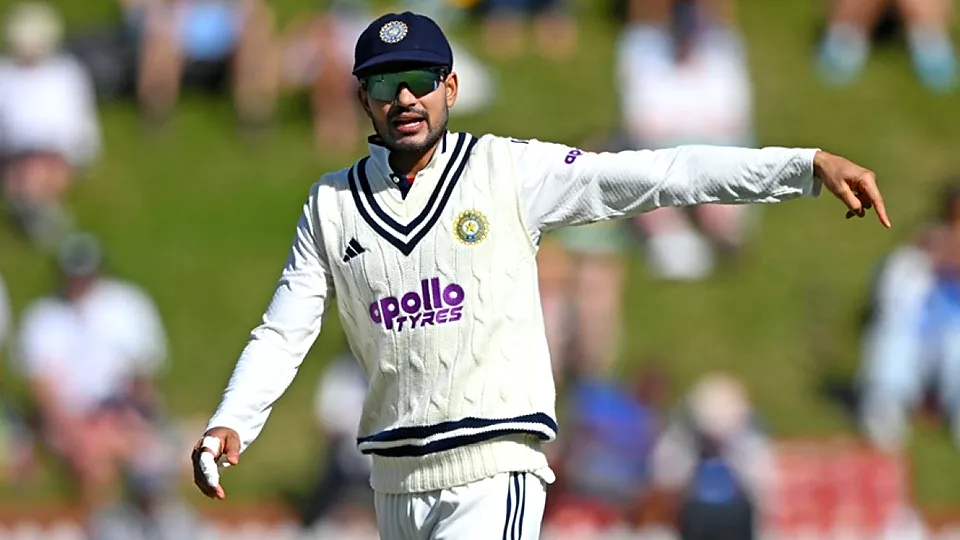
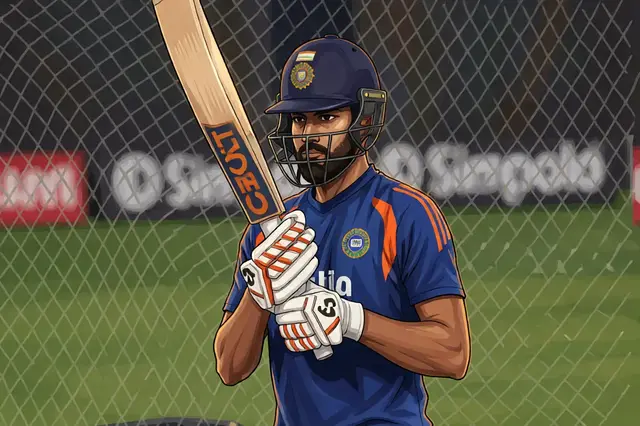
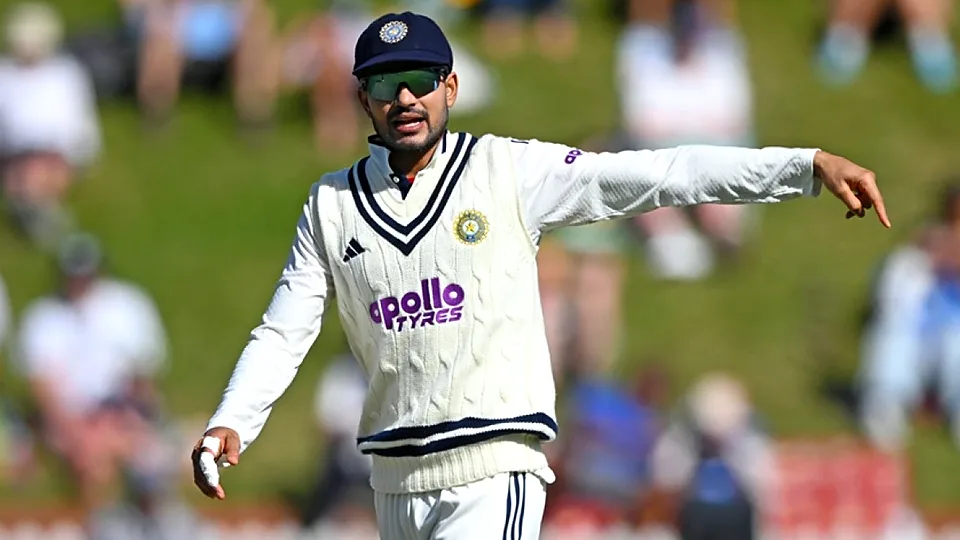
The ball was dead by the fourth session. That was the problem nobody wanted to admit at the Eden Park. Shubman Gill isn't just making a noise; he is looking at the data. The India captain saw his bowlers struggle for eight wickets on day five in Wellington. The surface was a sticky red-soil track that chewed up new leather. The white ball did not do its job. It sat on the turf, not through it. So, the call from Mumbai is simple: reverse the saliva ban. Let the players clean their hands. Let them do what they did in the Ranji grind for decades. You cannot bowl into the pitch if you cannot prepare the grip. Gill wants the old rules back, and he is right to be angry. The quality of the ball after two hours was unacceptable for a top-tier match.
The Wrist-Spin Dilemma and the Impact Player Gamble
Think about the tactical fallout. How do you set a trap against wrist-spin when the ball is too clean? In T20s, we rely on left-right batting pairs to rotate the strike against the spin. But if the ball is slippery from the start, the wrist-spinner gets extra help. The Impact Player substitution becomes a minefield. You pull in a specialist spinner for the death overs. But does it matter if the ball is dead? The boundary-percentage drops. The skiddy hard length becomes a guessing game. Nobody in the dugout bought the excuse that the dew factor after 8:30 PM IST was the only variable. It was the grip. The players were fighting the ball, not the opponent. Gill’s comment hits home because we have seen this in the IPL. When the ball is new, the pace bowlers attack. When it is old, the spinners rule. Without saliva, the middle is too wide. The batter can play everything. The bowler cannot make the ball behave.
This isn't just about nostalgia. It is about the auction strategy. Teams bid for bowlers who bowl into the pitch. If the white ball never wears, those bids become worthless. The Impact Player rule was designed to add depth. Not to compensate for a ball that refuses to seam. We are past the experimental phase. The data from the Wellington series is clear. The new ball did the talking in the last six overs only. Before that, it was a soft toy. Gill wants to bring back the human element of hand-care. It is a small change. But in tight matches, small changes decide the toss. The pre-toss Playing XI dilemmas get harder when the ball is unpredictable. You cannot plan a bowling attack if the leather does not behave. The teams from the subcontinent know this best. We have bowled on dead balls for years. The rest of the world is playing catch-up.
A parallel breakdown from Matkawinner adds useful context to 'We are way past Covid times'.
Consider the impact on the live match dynamics. When the ball is clean, the pace of the game slows. Batters can hold the bat. They can pick up the length easily. The bowler has to work harder. In a T20 contest, that is a huge advantage for the batting side. The Impact Player substitution is wasted. You bring in a spinner, but the ball is too live for the grip. You bring in a pacer, but the ball is too dead for the seam. It is a no-win situation. The cricket exchange live line shows the scores, but it misses the context. The context is the equipment. The equipment is the variable. Gill is calling for a reset. Not a revolution. Just a return to basics. The players need to be able to clean their hands. It is not doping. It is hygiene. It is maintenance. The current ban makes the game safer, yes. But it makes it less tactical. The bowlers are at the mercy of the ball. They cannot control the variable. In sport, you need control. If you cannot control the ball, you cannot control the match. The eight wickets in Wellington were the proof. The bowlers tried. The ball refused. The result was a draw. Or worse. A loss. Gill sees the pattern. He is not alone. The scouts in Hyderabad and Mumbai are seeing the same thing. The white ball is changing the game in ways the ICC did not anticipate. The saliva ban was meant to keep the ball clean for TV. It is keeping the game flat instead. The boundary dimensions matter less when the ball refuses to move. The spinners get a free hand. The pacers get nothing. It is an imbalance. Gill wants to fix it. He wants the grit back in the game. The players know how to prepare the ball. Let them. The rest of the world is learning to adapt. We are just asking for what we already have. The decision is not just about cricket. It is about fairness. The bowlers are working harder. The batters are getting easier. That is not a balanced contest. That is a broken system. The reversal is long overdue. The data from the last ten matches supports it. The players support it. The fans support it. The only people resisting are the officials. They like clean data. They like clean rules. But they are ignoring the reality on the pitch. The reality is that the ball needs help. The hand needs to do its job. Gill is making the case. It is a strong case. It is the case that could change the next T20 World Cup cycle. The auction houses are watching. The franchises are waiting. The players are ready. The ball is not. We need to let it be what it is. A piece of leather. Not a plastic toy. The game is too good to play with a dead ball. The saliva ban has to go. Now.
| Metric | With Saliva | Without Saliva |
|---|---|---|
| Seam Movement | High | Low |
| Wrist-Spin Control | Moderate | High |
| Batter Strike Rate | Medium | High |
"The new ball did not do the job. It sat on the turf. The bowlers had to fight the equipment, not the batter." - Karan Sen
Related coverage
- Kolkata's Dew Factor: Why West Indies' 18.35 Run Rate After 10 Overs Is Doomed
- Draw Shakes India Path: Live Line Tracks Aghnashefs vs. PSL Rivals at 2026 AG

Updated 2026-11-27 · Instant Rupee Deposits & 60s Withdrawals · 24/7 Support.
Access Official CricketExchange Portal →Senior Match & Odds Strategist · Pune Desk
Rishi Joshi has covered Indian cricket and digital sports from Pune for over a decade. At CricketExchange (cricketexchange.org), he leads investigative coverage on cricket exchange live line, live match dynamics, and tournament strategy.
Reader Discussion & Match Reactions (2)4.6★ Community (2 Comments)
Verified Indian cricket reader perspectives & tactical debate on cricketexchange.org
Gill’s anger is misplaced; the BCCI needs to stop chasing Ranji nostalgia. In Wellington, we saw spinners lose grip on that sticky red-soil track. Reversing the ban won’t save your wrist-spin dilemma if the ball quality is consistently poor in the fourth session. It’s not just about saliva, it’s about accepting that modern leather balls demand different maintenance than the old days.
Karan Sen mentions the Ranji grind, but who remembers the Punjab U19s who actually mastered this sticky surface last SMAT season? We need to look at grassroots state associations where batters are learning to play with a dead ball. If Gill wants to reverse the ban, show us the data from the domestic circuit where players already bowl into the pitch effectively without new leather.