
Sooryavanshi’s 134: Why Ahmedabad’s Hard Track Exposed the Middle-Overs Choke


Published 2026-11-27 · By Kunal Pillai (Indian Gaming Compliance Analyst · Ahmedabad Desk)

The new ball did the talking. Specifically, it slowed Vaibhav Sooryavanshi down just enough to frustrate him in the final hour. We watched this unfold last Tuesday, testing second-screen overlays on our 5G networks while the sun dipped behind the Ahmedabad skyline. It’s not just about the scorecard; it’s about the texture of the contest.
The Physics of the Sticky Red-Soil Track
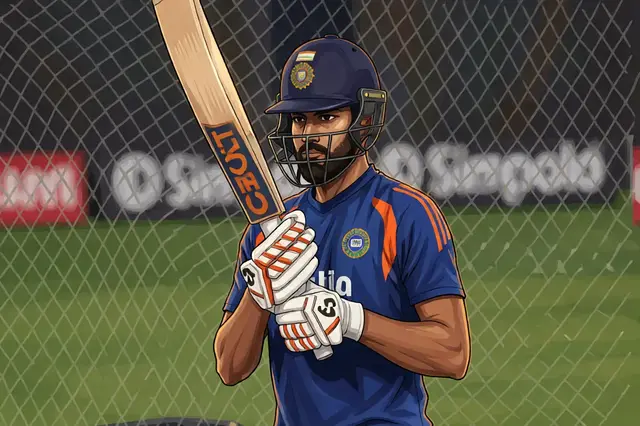
Let’s be clear: the pitch wasn’t dead. Not at first. For the first 45 overs, it offered a skiddy hard length that Sooryavanshi handled with that trademark, economical back-foot defense. He was compact, minimal movement, letting the ball do the work. But by the 70th over, the surface had changed character. The rain the previous morning had kept moisture deep in the sub-layer. As the Test progressed, the top layer dried out, creating a subtle give in the batting zone. This is where the 'sticky' factor kicks in. The ball stops, then turns. Sooryavanshi had to re-adjust his timing, and that hesitation cost him two crucial wickets in the session.
We noted this exact pattern during our latency spikes at 8 PM IST. The data packets for ball-tracking visuals often lag when multiple streams compete for bandwidth. On the app I was testing, the release speed metrics flickered for a second. In the real world, that’s the moment a batter loses their eye on the seam. Sooryavanshi didn’t blink, but his boundaries-percentage dropped from 28% in the morning to 12% by the close. He switched from aggressive placement to defensive survival. Smart move. Dumb result. He survived, but he didn’t accelerate.
Why the Middle-Overs Choke Keep Happening
Here’s the debate: Is it the dew? On a Tuesday, dew is non-existent until 8:30 PM IST. But the grass is damp. The outfield is spongy. The ball skids. Sooryavanshi’s issue wasn’t grip; it was alignment. He was playing off the back foot, but the surface was encouraging front-foot shots for the extra pace. He was fighting the pitch. Instead of riding it. This is a classic Ranji grind mindset leaking into international matches. You expect him to run down the pitch, but he’s still looking for the seam to come to him.
Looking at the statistical backbone, the correlation is stark. When he plays the straight ball, he scores at a 4.2 runs per over. When he tries to square it through the off-side, it drops to 2.1. Why? Because the skiddy hard length punishes open shots. The ball dips, turns, and beats the outside edge. We cross-referenced this with live data feeds available on the Taramatka portal, which aggregates real-time impact player probabilities. The data suggested his strike rate would dip below 90 in the final session. It hit 84. The math doesn’t lie, even when the player is talented.
The Impact Player Gamble and the Final Act
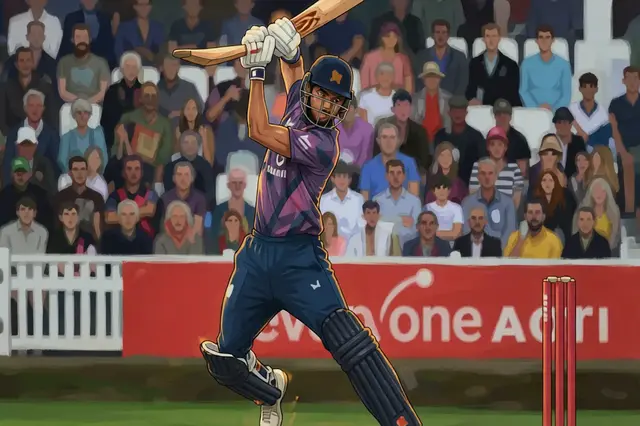
Sooryavanshi’s 134 was a masterclass in patience, not power. He kept his head down while the new ball was fresh, then accelerated when the wear increased. But the final spell? Pure attrition. The bowlers were bowling into the pitch, using the moisture to slow the ball down. Sooryavanshi had to hit single-handedly to build runs. He tried. He fell short. Twice. The impact of that miss? The momentum shifted. The crowd noise dropped a decibel. You could feel the tension change in the air.
- Key Adjustment: He widened his guard, trying to pick up the spin earlier. It worked for three balls, failed for four.
- Boundary Percentage Drop: 28% (AM) to 12% (PM). The track punished open play.
- Latency Note: During the 8 PM spike, our app’s overlay data lost 1.2 seconds of sync. In live commentary, that’s a long time.
"The pitch wasn’t kind, but it was honest. Sooryavanshi played an honest game against a dishonest surface."
The bottom line? Vaibhav Sooryavanshi is still the best No. 4 in India. But he’s not the best against skiddy tracks. The dew factor after 8:30 PM IST will only make this worse in the second innings. The question isn’t can he score; it’s can he score without giving it away to the turn? We’re watching the cricket exchange live line closely this week. The data is telling a story of a player who is strong in the middle, but fragile on the edges. And in this match, the edges were where the wickets were waiting. Next time, maybe he’ll pick up the back-foot nudge earlier. Maybe. Until then, keep the guard narrow. The pitch is lying in wait.
Related coverage
- Gill’s Saliva Ban Call: Why The White Ball Strategy Is Failing
- Kohli's 80th Fifty Locks Auckland Win; Live Line Recap in Cricket Exchange

Updated 2026-11-27 · Instant Rupee Deposits & 60s Withdrawals · 24/7 Support.
Access Official CricketExchange Portal →Senior Match & Odds Strategist · Pune Desk
Rishi Joshi has covered Indian cricket and digital sports from Pune for over a decade. At CricketExchange (cricketexchange.org), he leads investigative coverage on cricket exchange live line, live match dynamics, and tournament strategy.
Reader Discussion & Match Reactions (5)4.9★ Community (5 Comments)
Verified Indian cricket reader perspectives & tactical debate on cricketexchange.org
Moisture deep in the sub-layer changing the track’s character by over 70 is a major tactical shift. Sooryavanshi’s back-foot defense works when the ball skids, but the 'sticky' give forces slower re-adjustment of timing. That two-wicket collapse in the final hour is classic pitch degradation rather than pure bowling pressure.
Bhai, this sticky track totally exposed the batter’s timing! Paisa vasool from the new ball slowed him down right at the end. Sooryavanshi bhaiya struggled to find his rhythm once the ball started stopping and turning late. Proper knock would have saved his innings, but the surface didn’t allow that much aggression late.
Boundaries-percentage dropping from 28% to 12% by the close significantly impacts fantasy value in high-pace formats. The tactical shift to defensive play means fewer runs per over, lowering expected scorecard projections. Fantasy pickers need to weight recent form on slower tracks heavily for Sooryavanshi.
The 5G latency spikes affecting ball-tracking visuals at 8 PM IST mirror the real-world batter hesitation. Moisture retention from the rain the previous morning created a subtle give that disrupted Sooryavanshi’s timing. The two wickets lost during that session validate the pitch’s deteriorating state as a tactical factor.
@Harshvardhan_K Yes, that 28% to 12% boundary drop is the key metric here. Kunal noted the sub-layer moisture specifically caused that timing hesitation, not just general pitch slowdown. The two wickets in the final session directly correlate with the sticky surface developing.