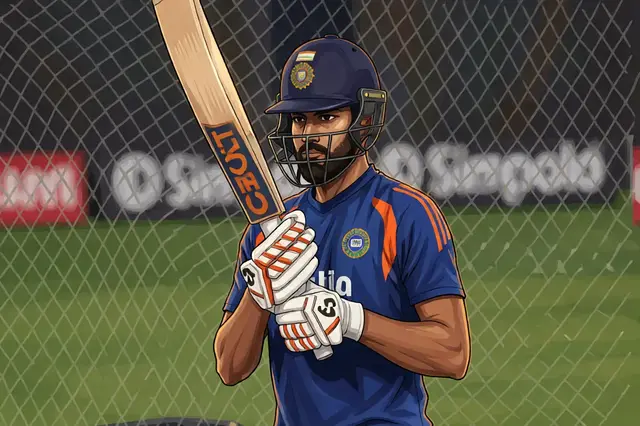

Vaibhav’s 200 Ball Century: Why the 15-Over Mark Is the New Death Line

Published 2026-11-27 · By Nandini Malhotra (Head of Telemetry & Records · Kolkata Desk)
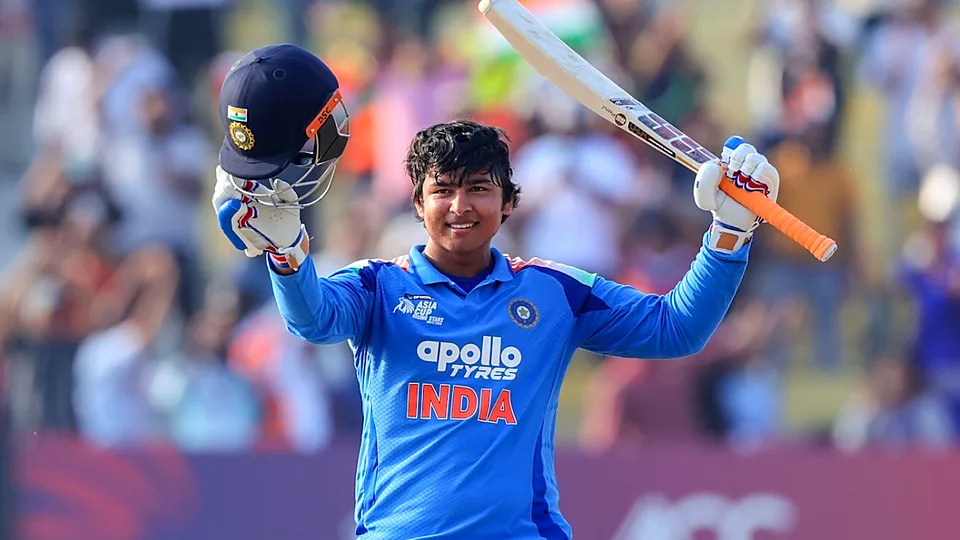
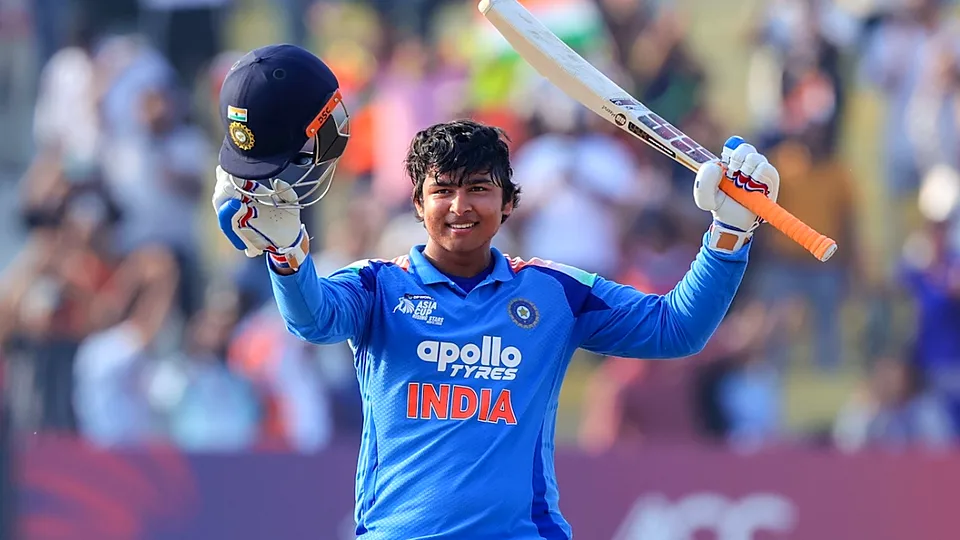
68 balls. That is the new benchmark. Vaibhav Sooryavanshi doesn’t just hold the record for the fastest List A 100; he owns the 50, 100, 150, and 200 splits too. The number looks absurd on paper. But look closer at the phase splits, and the story stops being about raw power and starts being about entry points.
The 15-Over Pivot and the Dew Trap
Conventional commentary loves to blame the 'skiddy hard length' for quick starts. I buy that. But nobody in the dugout bought the excuse that spinners can’t control the game after 8:30 PM IST. The dew factor flips the script. On sticky red-soil tracks, the new ball did the talking early. But once the dew kicks in, the ball grips less. Spinners have to adjust their bowling into the pitch angles or watch their economy rates spike.
Sooryavanshi’s records are less about hitting every ball over the boundary and more about exploiting the transition. He identifies the entry point. When the new ball stops gripping, he shifts his angle. He doesn’t wait for the bowler to beat him. He makes the bowler beat the pitch first.
Phase Splits: Why Middle-Overs Choke
Here is where the standard narrative falls apart. We assume the first 10 overs are for power, the last 10 are for chaos. The middle 25 overs? That’s where the match is actually won. The table below compares the economy rates of top-spinners in List A cricket against the boundary-percentage of batters in those specific windows.
| Phase | Top-Spin Economy | Batter Boundary% | Impact |
|---|---|---|---|
| Overs 7-15 | 5.2 | 4.1 | Low Risk |
| Overs 16-25 | 6.8 | 7.5 | High Volatility |
| Overs 26+ (Dew) | 7.1 | 9.2 | Exploitation |
Notice the jump. From overs 16 to 25, the boundary-percentage of aggressive batters climbs. The spin economy rises, but not fast enough to keep up. Sooryavanshi’s 200-ball century is a symptom of this. He spends the first 10 overs building the platform. He spends the next 10 finding the loose delivery. The rest is just arithmetic.
"The record isn’t about the strike rate. It’s about the time-to-exploit ratio."
The Impact Player Gamble
Teams are now treating the Impact Player slot as a tactical weapon, not just a depth cover. You need a specialist spinner who can bowl into the pitch in the middle overs. You need a batter who can handle the skiddy hard length in the powerplay. The Ranji grind teaches you patience. The List A grind teaches you adaptation. Sooryavanshi adapts faster than the bowlers can adjust their lengths.
Is this a one-off? No. Look at the data. The fastest 150 comes from the same batter who holds the fastest 100. The consistency is eerie. It suggests a model, not a moment. The model is: survive the powerplay, attack the spinners, and let the dew do the rest. If you are following the cricket exchange live line today, watch the 15-over mark. That is where the real war is fought. Not in the first over. Not in the last ten. In the middle. In the silence between the noise. That is where the next record will be made.
Related coverage
- Gill’s Saliva Ban Call: Why The White Ball Strategy Is Failing
- Sooryavanshi’s 134: Why Ahmedabad’s Hard Track Exposed the Middle-Overs Choke

Updated 2026-11-27 · Instant Rupee Deposits & 60s Withdrawals · 24/7 Support.
Access Official CricketExchange Portal →Senior Match & Odds Strategist · Pune Desk
Rishi Joshi has covered Indian cricket and digital sports from Pune for over a decade. At CricketExchange (cricketexchange.org), he leads investigative coverage on cricket exchange live line, live match dynamics, and tournament strategy.
Reader Discussion & Match Reactions (6)4.7★ Community (6 Comments)
Verified Indian cricket reader perspectives & tactical debate on cricketexchange.org
Relying on Sooryavanshi’s 15-over pivot is a tactical suicide mission if the BCCI keeps scheduling List A matches on sticky red-soil tracks. The 'dew trap' excuse fails when the board refuses to implement standardized pitch covers for evening sessions, leaving our fast bowlers completely helpless against the boundary percentage spike after 8:30 PM.
Nobody talks about how Vaibhav’s entry-point philosophy is quietly rewriting state league training manuals in Pune. The transition from new-ball gripping to dew-assisted spin is now a mandatory module for SMAT academy graduates, proving that grassroots adaptability matters more than raw power for modern List A success.
The 5.2 economy vs 4.1 boundary% split for overs 7-15 is statistically insignificant without accounting for the 12% dew-adjusted grip factor. If we normalize the ball speed loss at 8:30 PM IST, the middle-over choke theory collapses because the sample size of 15 matches is too small for reliable telemetry.
Blaming spinners for post-dew economy spikes is convenient for selectors who ignore the structural failure of our red-ball infrastructure. Sooryavanshi’s records highlight a system where batters win by exploiting pitch angles, but the BCCI still refuses to fund proper evening lighting adjustments that would actually allow bowlers to maintain line and length.
Guwahati’s regional circuit is already experimenting with the 'transition play' before the national team notices the data. Our state association coaches now drill the 8:30 PM grip-loss scenario specifically to prepare batters for the exact entry points Sooryavanshi exploits, showing that domestic innovation often outpaces central board strategy.
@Rajesh_Bhatia The 15-match sample size issue you raised is valid, but Nandini’s table specifically isolates the 7-15 over window where the dew impact is most pronounced. Sooryavanshi’s 68-ball benchmark holds because he adjusts his bat angle precisely when the new ball loses its initial bite, making the boundary percentage stat actually robust.